
Your Brain Has a Grocery List
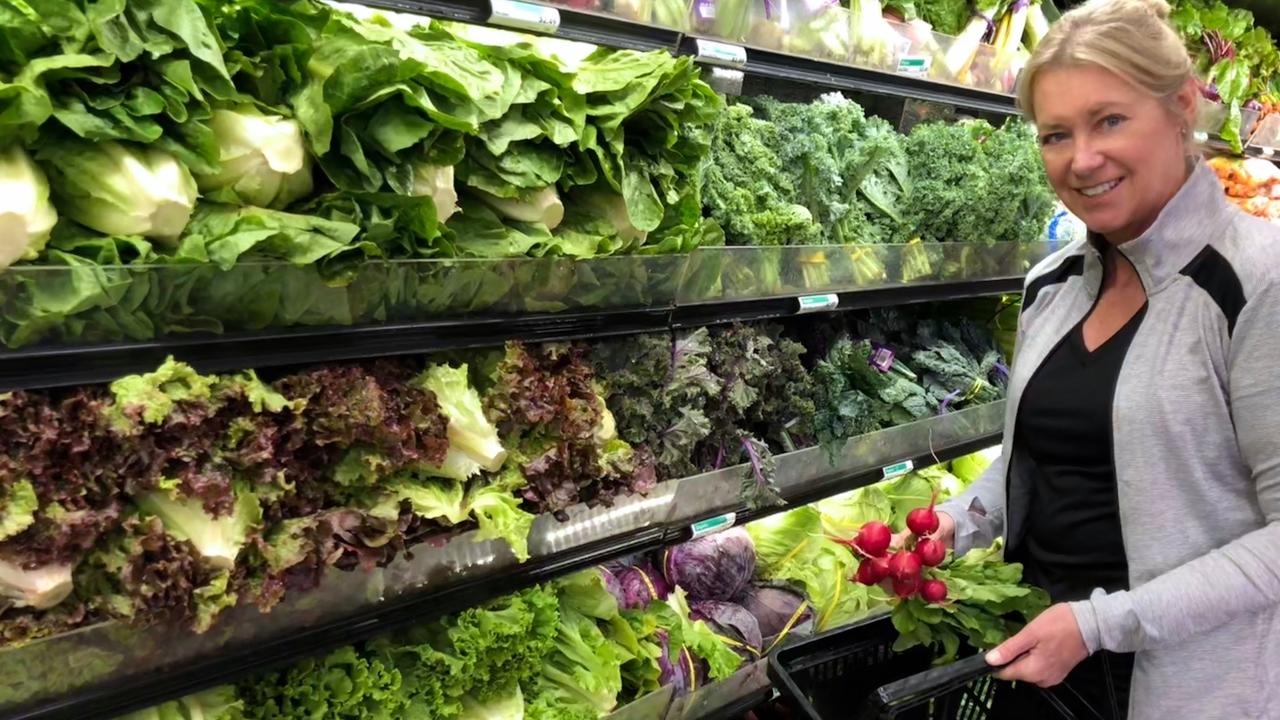
Supporting brain health does not require banning everything in a box. It means giving minimally processed, nutrient-dense foods more room in your grocery cart.
The grocery store does not divide neatly into “good food” and “bad food.”
Frozen berries come in a bag. Beans come in a can. Quinoa comes in a box. None of them needs to apologize.
The concern is not packaging. It is a diet dominated by ultra-processed foods that have been substantially altered and often contain refined starches, added sugars, excess sodium, unhealthy fats, flavorings, colors, emulsifiers, or other ingredients never found in your grandmother's kitchen.
Examples may include sugary drinks, packaged sweets, many fast foods, processed meats, instant noodles, and some snack foods and ready-to-eat meals.
What Brain Health Organizations Recommend
The Alzheimer’s Association recommends emphasizing vegetables, fruits, whole grains, fish, nuts, and other nutritious foods while avoiding highly processed snacks, treats, lunch meats, and instant noodles.
The American College of Lifestyle Medicine similarly recommends centering the diet on a wide variety of whole and minimally processed plant foods, including vegetables, fruits, whole grains, legumes, mushrooms, nuts, and seeds.
Neither organization is asking you to grow your own lentils or grind wheat before breakfast.
The practical message is to build more of your diet around foods that still resemble the plants or animals they came from.
What the Dementia Research Shows
Research has associated higher consumption of ultra-processed foods with cognitive decline and dementia risk.
In a study of 10,775 adults, people who consumed more ultra-processed food experienced faster decline in global cognition and executive function over a median follow-up of eight years.
A systematic review and meta-analysis also associated high consumption of ultra-processed foods with increased dementia risk.
These findings do not prove that ultra-processed foods cause dementia. Most of the evidence is observational, but the association provides another reason to give minimally processed foods more room in your grocery cart.
The Blood-Sugar Connection
Ultra-processed foods may also matter because of their effects on metabolic and vascular health.
In a small but carefully controlled randomized trial, adults ate about 500 more calories per day and gained weight while following an ultra-processed diet compared with a minimally processed diet, even though the meals offered were matched for several nutrients.
In a prospective study involving more than 100,000 adults, higher ultra-processed food consumption was associated with a greater risk of developing type 2 diabetes.
Insulin resistance and prediabetes are earlier warning signs that the body is having difficulty managing blood sugar. Over time, this can progress to type 2 diabetes.
Why does that matter to your brain?
Type 2 diabetes is one of the modifiable dementia risk factors identified by the 2024 Lancet Commission. High blood sugar, insulin resistance, inflammation, and blood-vessel damage may all contribute to changes that affect brain health.
Reducing frequently eaten ultra-processed foods may therefore support the brain in two ways: by improving overall diet quality and by supporting healthier weight, blood pressure, cholesterol, and blood-sugar regulation.
A Package Does Not Make Food Bad
Processing is not automatically harmful.
Washing, freezing, chopping, cooking, fermenting, and canning are all forms of processing. They can make nutritious food safer, more affordable, and easier to prepare.
Useful packaged foods may include:
-
Frozen fruits and vegetables
-
Canned beans
-
Whole grains
-
Nut butters
-
Canned wild-caught salmon or tuna
-
Unsweetened Greek yogurt
-
Bagged salad
-
Pre-cut vegetables
These foods can make a brain-healthy eating pattern much easier to maintain. The goal is to notice which foods dominate your cart.
Replace More Than You Restrict
Long lists of forbidden foods rarely create lasting change.
A more useful approach is to add satisfying, minimally processed options and let them gradually crowd out ultra-processed foods.
You might replace:
-
A sugary breakfast pastry with whole grains, berries, and nuts
-
Chips every afternoon with fruit and a handful of nuts
-
Soda with sparkling water, unsweetened tea, or water
-
Processed meat at lunch with hummus, beans, fish, or leftover chicken
-
A packaged dessert every night with fruit and yogurt on some nights
No single swap will prevent dementia. Repeated choices, however, can improve the overall pattern that supports your brain, heart, and metabolic health.
One Simple Action
Choose the ultra-processed food you eat most often.
Identify one minimally processed alternative you would genuinely enjoy and use that option a few times this week.
Your brain does not need a perfect grocery cart.
It would simply like a little more produce and fewer foods with an ingredient list that reads like a chemistry quiz.
References
-
Alzheimer’s Association. Eat Right.
-
American College of Lifestyle Medicine. Recommendations and Standards.
-
Gonçalves NG, Ferreira NV, Khandpur N, et al. Association Between Consumption of Ultraprocessed Foods and Cognitive Decline. JAMA Neurology. 2023;80(2):142–150.
-
Henney AE, Gillespie CS, Alam U, et al. High Intake of Ultra-Processed Food Is Associated With Dementia in Adults: A Systematic Review and Meta-Analysis of Observational Studies. Journal of Neurology. 2024;271:198–210.
-
Hall KD, Ayuketah A, Brychta R, et al. Ultra-Processed Diets Cause Excess Calorie Intake and Weight Gain. Cell Metabolism. 2019;30(1):67–77.e3.
-
Srour B, Fezeu LK, Kesse-Guyot E, et al. Ultraprocessed Food Consumption and Risk of Type 2 Diabetes Among Participants of the NutriNet-Santé Prospective Cohort. JAMA Internal Medicine. 2020;180(2):283–291.
-
Livingston G, Huntley J, Liu KY, et al. Dementia Prevention, Intervention, and Care: 2024 Report of the Lancet Standing Commission. The Lancet. 2024;404(10452):572–628.
This article is for educational and informational purposes. It does not replace individualized medical evaluation, diagnosis, treatment, or nutrition advice. See the complete Disclaimer.
Join the Community
Join the Bloom Again Health community for clear, evidence-informed guidance about cognitive health, meaningful action, and sustainable behavior change. No hype, no fear, and no false promises.
By subscribing, you agree to receive emails from Bloom Again Health. You may unsubscribe at any time.
Author

Allison Blankenship, DHSc
Brain Health Behaviorist
Translating brain health evidence and professional recommendations into realistic, sustainable action for adults and families.