
Brain Health Insights
Your Brain Has a Grocery List
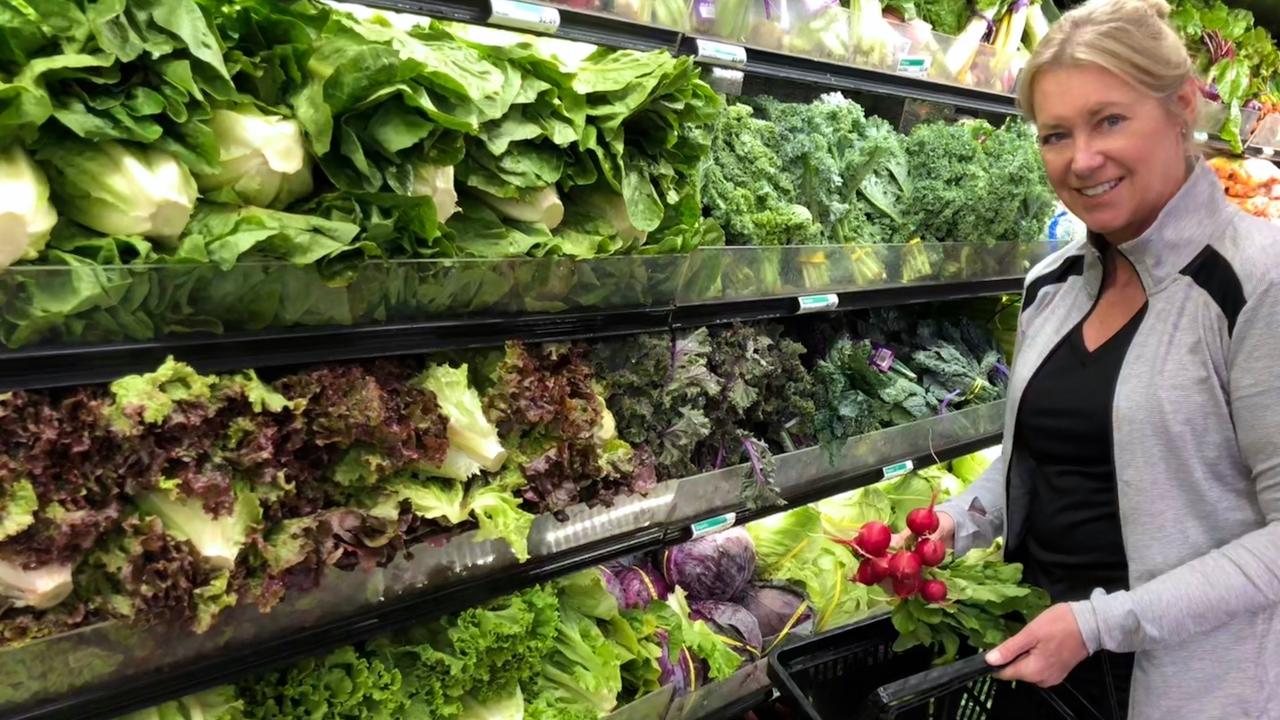
Supporting brain health does not require banning everything in a box. It means giving minimally processed, nutrient-dense foods more room in your grocery cart.
The grocery store does not divide neatl...
Could Your Medicine Cabinet Be Affecting Your Memory?

Some prescription and over-the-counter medications can affect memory and thinking, particularly as we age. That does not mean you should stop taking them. It means your medicine cabinet deserves an oc...
Retirement Needs a Job Description: What Will Keep Your Brain Engaged?

Retirement may end your working years, but your brain still needs purpose, challenge, structure, and connection.
Retirement planning usually covers the financial questions.
Can I afford to stop work...
Drinking Water Contaminants and Brain Health: How to Test and Filter Your Water

Water can look, smell, and taste perfectly normal while still containing contaminants. You do not need to fear the faucet. You need to know what is coming out of it.
Water is essential for your brain...
Long-Term PPI Use and Dementia Risk: What the Research Shows

Some studies associate prolonged use of proton pump inhibitors with increased dementia risk. The evidence is mixed, but it provides a good reason to review whether you still need the medication, not a...
Green Tea and Brain Health: What the Research Suggests

Green tea is not a magic potion, but its natural plant compounds may support brain health. That is a perfectly good reason to put the kettle on.
Could your daily cup of tea be doing something help...
Walking for Brain Health: Minutes, Steps, and Where to Begin

Physical inactivity is a modifiable risk factor for dementia. Walking is a practical way to move more, and you don't need a perfect step count to begin.
Walking may be one of the simplest brain healt...
Go Back to School for Your Brain Health

Learning something genuinely new can challenge your thinking, support cognitive reserve, and may help reduce dementia risk. No report card required.
The kids and grandkids are back in school. Perhaps...
How to Make Grilling More Brain-Healthy

High-temperature cooking can create compounds associated with cognitive decline and dementia risk. Fortunately, you do not have to surrender your grill.
Nothing beats food hot off the grill, espec...
A Simple Journaling Practice for Stress and Brain Health

Writing down what is weighing on your mind may help you find a little clarity, one reasonable next step, and a better place to leave the day’s worries.
Beyond the obvious stressors of work, family, a...
Author

Allison Blankenship, DHSc
Brain Health Behaviorist
Translating brain-health evidence and professional recommendations into realistic, sustainable action for adults and families.