
Your Brain Health Deserves a Plan

Your genes are part of your story, but they are not the whole story. A dementia risk-reduction program combines medical guidance with coaching support to help you address the factors you can change.
We know our cholesterol numbers. We check our blood pressure. We make appointments when a knee starts making noises that knees probably should not make.
But our brains?
Often, we pay closer attention only when remembering becomes a problem.
Your brain deserves a place in your health plan before it has to wave a little flag.
Whether you have a family history of Alzheimer’s, know you carry an APOE4 variant, or simply want to support your cognitive health as you age, there are useful steps you can take.
You do not have to change everything by Thursday.
You do need somewhere to begin.
Think Above the Neck
Much of our attention goes to health from the neck down.
Fortunately, caring for your heart, blood vessels, and metabolism also matters to your brain. Blood pressure, cholesterol, and blood sugar belong in a brain health conversation, too.
The 2024 Lancet Commission report identified 14 potentially modifiable dementia risk factors across the lifespan. These include high blood pressure, high LDL cholesterol, diabetes, physical inactivity, smoking, depression, social isolation, hearing loss, and untreated vision loss.
These findings give us meaningful opportunities to address risk through both medical care and lifestyle changes.
Brain health involves considerably more than buying a crossword book.
Your Family History Is Information You Can Use
A family history of dementia can make the future feel uncomfortably personal.
Genetic results can do the same.
But increased risk isn't a diagnosis, and inherited risk doesn't erase the importance of the factors you can influence.
You cannot change which genes you inherited. You can work with your healthcare practitioner to address modifiable medical risk factors and with a coach to change the lifestyle habits that matter to your brain.
The goal is to reduce avoidable risk and support your ability to think, function, and live independently.
Knowing your risk can give you a reason to begin. It doesn't need to become a reason to worry over every misplaced pair of glasses.
Research Supports Taking a Coordinated Approach
Brain health recommendations can sound like a collection of familiar instructions.
Move more. Eat well. Stay connected.
The important question is whether putting them together makes a measurable difference.
The 2025 US POINTER randomized clinical trial studied 2,111 adults ages 60 to 79 who were at increased risk of cognitive decline.
Both groups were encouraged to improve physical activity, nutrition, cognitive activity, social engagement, and cardiovascular health monitoring. One group received a more structured program with greater support and accountability.
Over two years, cognitive performance improved in both groups, with a modest but statistically greater improvement in the structured group. The benefit of the structured approach was observed in both APOE4 carriers and noncarriers.
The trial measured cognitive performance, rather than proving that the program prevented dementia. Its findings support a practical message: a coordinated lifestyle plan is worth taking seriously.
So is having help putting it into practice.
The Physician Provides the What. The Coach Provides the How.
A dementia risk-reduction program addresses both medical and lifestyle risk factors.
Your physician provides the “what”: evaluating your medical risk factors, managing those that can be modified, and recommending appropriate lifestyle changes.
Your coach provides the “how”: helping you turn those recommendations into daily habits that fit your circumstances.
That sounds straightforward until the plan meets real life.
Knowing what to do does not automatically give you the time, skills, confidence, or support to do it consistently. Recommendations can feel overwhelming, and changing familiar habits takes more than good intentions.
At Bloom Again Health, I help you bridge that gap. Working from your practitioner’s guidance, we identify meaningful lifestyle priorities, work through barriers, and adjust your routines as your needs change.
My work begins where watch-and-wait ends.
If you participate in PreCODE or ReCODE, I help you implement your healthcare practitioner’s recommendations. Apollo Health also describes how coaching supports habit change and helps you navigate the program.
You do not need to be enrolled in either program to work with me.
The purpose is to reduce avoidable dementia risk and support cognitive health, daily function, independence, and quality of life.
Your practitioner guides your medical care. I help you put the lifestyle recommendations into practice.
One Simple Action
If you are ready to give your brain health a plan, let’s talk.
Visit my private brain health coaching page and schedule a complimentary 30-minute initial consultation.
We will discuss your concerns, the recommendations you already have, and where practical support could help. I work with clients nationwide through virtual sessions, and care partners are welcome when appropriate.
You do not need a perfectly organized notebook or a refrigerator full of kale.
Just bring your questions. We can start there.
References
-
Livingston G, Huntley J, Liu KY, et al. Dementia prevention, intervention, and care: 2024 report of the Lancet standing Commission. The Lancet. 2024;404(10452):572–628.
-
Baker LD, Espeland MA, Whitmer RA, et al. Structured vs Self-Guided Multidomain Lifestyle Interventions for Global Cognitive Function: The US POINTER Randomized Clinical Trial. JAMA. 2025;334(8):681–691.
This article is for educational and informational purposes. It does not replace individualized medical evaluation, diagnosis, or treatment. See the complete Disclaimer.
Join the Community
Join the Bloom Again Health community for clear, evidence-informed guidance about cognitive health, meaningful action, and sustainable behavior change. No hype, no fear, and no false promises.
By subscribing, you agree to receive emails from Bloom Again Health. You may unsubscribe at any time.
Author
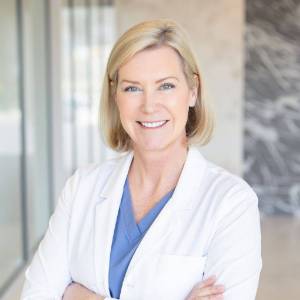
Allison Blankenship, DHSc
Brain Health Behaviorist
Translating brain health evidence and professional recommendations into realistic, sustainable action for adults and families.