
Does Dark Chocolate Deserve Its Brain-Healthy Reputation?
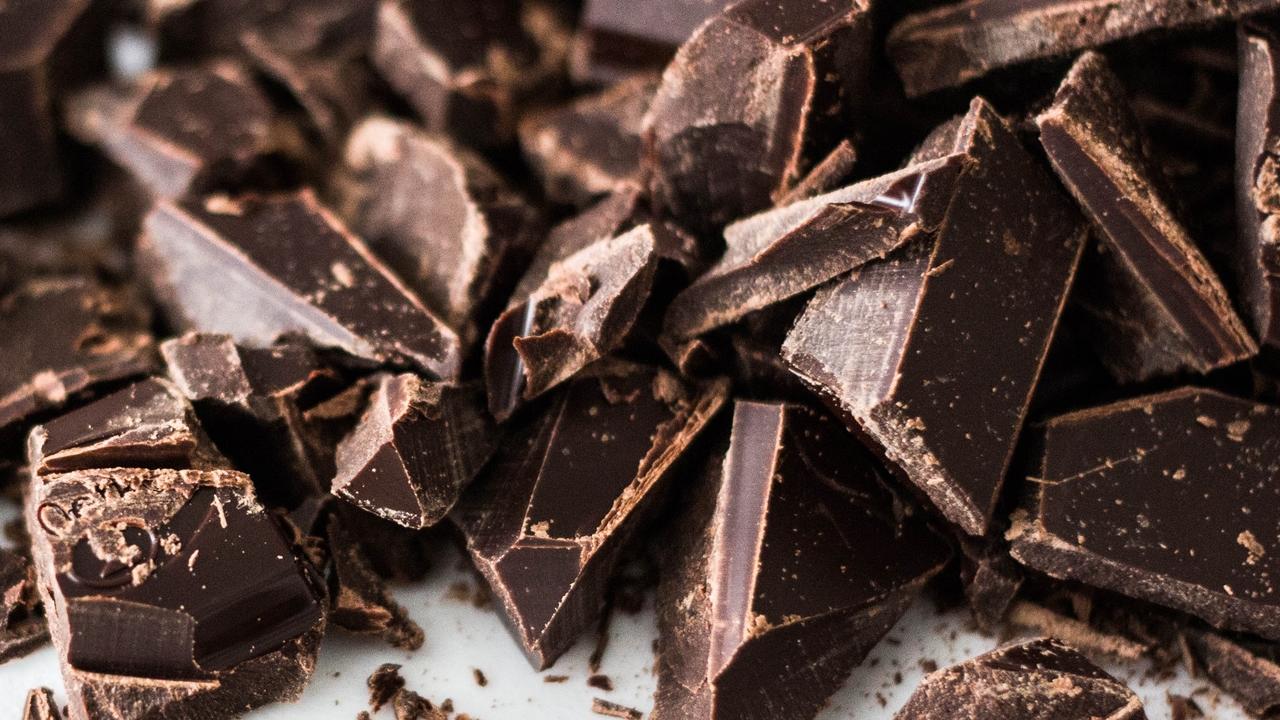
Chocolate has a very good publicist. The research gives cocoa some credit, too. Here’s what the newer findings mean and how to choose a treat that fits your brain-health goals.
Chocolate has enjoyed excellent publicity. Some of it is even deserved.
It contains interesting plant compounds. Researchers have studied its effects on thinking and memory. And unlike many things that appear on a health checklist, it requires very little persuasion.
But somewhere between the laboratory and the candy aisle, “promising research” became “eat chocolate to keep dementia away.”
That's quite a promotion.
Let's give chocolate its due and take a closer look at what you're unwrapping.
Why Your Brain Cares About Your Food Choices
Food choices are part of a dementia risk-reduction strategy because they can help you manage factors such as blood pressure, LDL cholesterol, and diabetes. The 2024 Lancet Commission identifies these as potentially modifiable dementia risk factors.
The useful question is how your usual meals and snacks support those priorities.
Chocolate can have a place in that picture. It doesn't need to run the whole department.
What Is So Interesting About Cocoa?
Cocoa contains flavanols, a group of naturally occurring plant compounds that researchers have investigated for their effects on blood vessels and cognitive function.
A 2026 review of 16 randomized trials found that regular cocoa or dark chocolate consumption improved performance on some tests involving attention, processing speed, executive function, and verbal fluency.
Executive function helps you plan, organize, and switch between tasks. Verbal fluency includes how readily you can produce words.
The memory findings were less consistent, and a commonly used measure of overall cognitive function showed no benefit.
That's an interesting result. It gives cocoa a reason to stay in the conversation, with a more specific job description than “memory booster.”
Why the Research Doesn't Translate Into a Daily Candy Bar
Studies use different products, doses, and cognitive tests. Some use chocolate. Others use cocoa drinks or extracts containing measured amounts of flavanols.
In the COSMOS clinic study, older adults took cocoa extract containing 500 milligrams of flavanols daily. Over two years, it produced no overall improvement in cognition, memory, or executive function compared with placebo. Possible benefits among people with poorer diets needed further study.
So the evidence is promising in some areas and mixed in others. It doesn't establish that eating a chocolate bar every day reduces dementia risk.
You can enjoy chocolate without making it responsible for your next memory test.
Read the Label Before Giving It a Health Halo
“Dark” is a description. “Brain-healthy” requires a little more homework.
Start with these checks:
-
Compare added sugar. Look at grams of added sugar for the amount you actually plan to eat.
-
Check the serving size. A package may contain several servings. Conveniently, the wrapper rarely volunteers this information while you're opening it.
-
Read the ingredients. Caramel, cookie pieces, and sweet fillings can turn a simple chocolate into a much sweeter dessert.
-
Use cacao percentage as one clue. It describes the proportion of cocoa-derived ingredients, but doesn't tell you the flavanol dose used in a study.
An 85% bar may contain less sugar than a 70% bar, but compare the labels. The percentage alone doesn't settle the question.
If you're following a sugar-free nutrition plan, choose a product that fits that plan and read the full label. A monk-fruit or stevia-sweetened chocolate may be an option, but check what else is included.
And, “sugar-free” doesn't make portion size disappear.
Dark Chocolate Options Worth a Look
If you'd rather spend your time enjoying chocolate than comparing every bar in the aisle, here are a few options to consider:
-
ChocZero 92% Dark Chocolate Squares: A sugar-free option sweetened with monk fruit, without erythritol or maltitol. The ingredients also include soluble corn fiber. Individually wrapped squares make it easy to set aside a portion. This is very dark chocolate, so expect a more intense cocoa flavor.
-
LILY'S 85% Extremely Dark Chocolate Style Bar: A no-added-sugar option with 0 grams of total sugar per labeled 29-gram serving. It contains both stevia and erythritol, along with chicory root fiber. If you're looking specifically for stevia without sugar alcohols, this isn't that option.
-
Lindt EXCELLENCE 95% Cocoa Dark Chocolate Bar: An option if you prefer a small amount of regular sugar. The manufacturer lists 1 gram of total sugar, including 1 gram of added sugar, per labeled serving. At 95% cocoa, this one takes its dark-chocolate duties seriously.
If 92% chocolate is more intensity than you signed up for, ChocZero's 70% Dark Chocolate Squares offer a milder, monk-fruit-sweetened alternative without sugar alcohols.
These are shopping suggestions based on cacao percentage, sugar, and ingredients. None has been shown to reduce dementia risk. A higher percentage on the wrapper doesn't establish a higher flavanol dose, either. Check the package when you buy, since recipes and serving sizes can change.
Keep the Chocolate, Make the Habit Work
A small portion of chocolate you enjoy can fit into a thoughtful eating pattern.
Try serving it on a plate instead of eating from the package. A square or two may be enough, depending on the size of the bar. Taste it. Let it melt. Give it your attention.
Chocolate eaten while answering emails has a remarkable ability to vanish without anyone remembering much about it.
Unsweetened cocoa powder is another way to enjoy the flavor. Stir a little into an unsweetened beverage or a recipe that fits your nutrition plan. Adding cocoa doesn't require adding a cup of sugar alongside it.
Keep your everyday priorities in view: satisfying meals, plenty of vegetables, appropriate portions, and food choices that support your metabolic health.
The goal is a routine you can enjoy and sustain. Chocolate is welcome to participate.
One Simple Action
Before buying your next chocolate bar, turn it over.
Compare the added sugar and serving size with another option. Choose the one that fits your nutrition goals and tastes good to you.
Then enjoy your portion.
Ahhh, life's simple pleasures. No medical claim required.
References
-
Livingston G, Huntley J, Liu KY, et al. Dementia prevention, intervention, and care: 2024 report of the Lancet standing Commission. The Lancet. 2024;404(10452):572–628.
-
Arabpour Z, Arabpour Z, Jazayeri S. Effect of chronic dark chocolate or cocoa intake on cognitive function: A GRADE-assessed systematic review and meta-analysis of randomized controlled trials. Nutrition Reviews. Published online August 25, 2026. doi:10.1093/nutrit/nuaf286.
-
Vyas CM, Manson JE, Sesso HD, et al. Effect of cocoa extract supplementation on cognitive function: Results from the clinic subcohort of the COSMOS trial. The American Journal of Clinical Nutrition. 2024;119(1):39–48. doi:10.1016/j.ajcnut.2023.10.031.
This article is for educational and informational purposes. It does not replace individualized medical evaluation, diagnosis, or treatment. See the complete Disclaimer.
Join the Community
Join the Bloom Again Health community for clear, evidence-informed guidance about cognitive health, meaningful action, and sustainable behavior change. No hype, no fear, and no false promises.
By subscribing, you agree to receive emails from Bloom Again Health. You may unsubscribe at any time.
Author

Allison Blankenship, DHSc
Brain Health Behaviorist
Translating brain health evidence and professional recommendations into realistic, sustainable action for adults and families.