
Is It Time To Ditch Aluminum Foil?
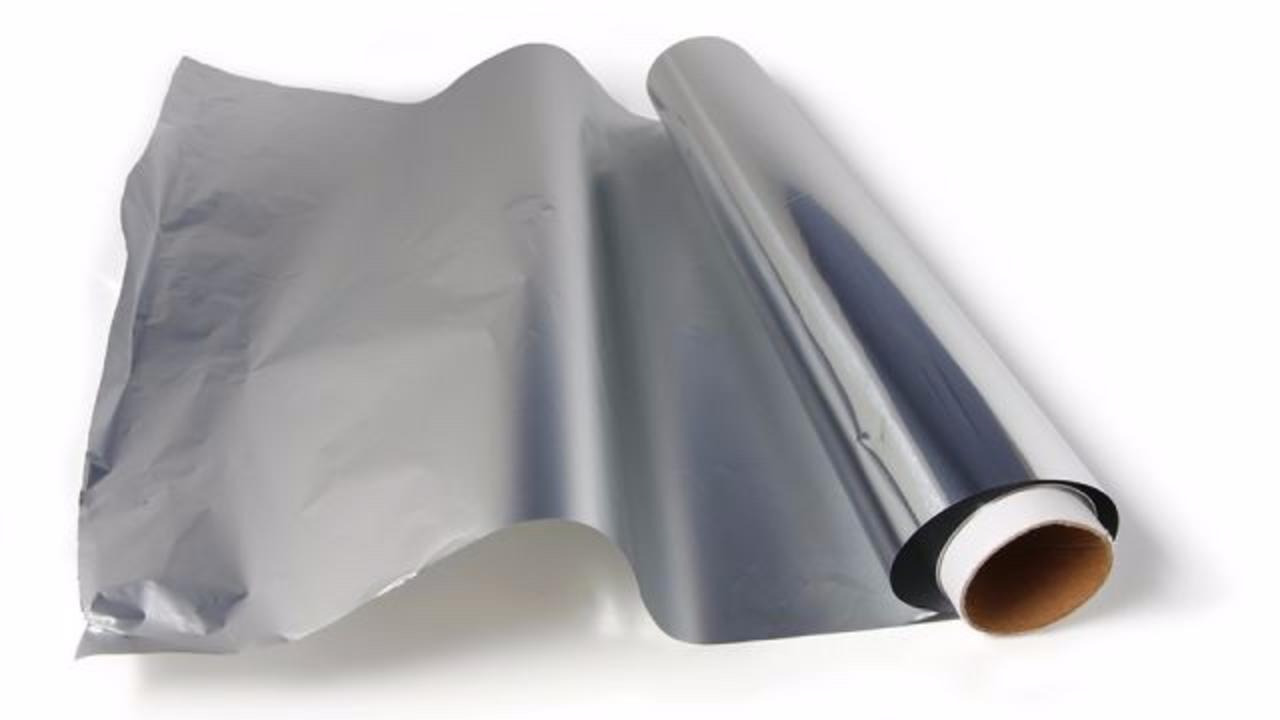
Aluminum foil can transfer aluminum into food, especially when acid and salt are involved. A few simple kitchen swaps can reduce that exposure while researchers continue investigating its connection to brain health.
Aluminum foil has enjoyed a remarkably long career in my kitchen.
Baked potatoes. Covered casseroles. Leftovers wrapped into mysterious silver bundles that nobody could identify three days later.
It’s convenient. It’s familiar. And it makes cleanup feel like someone else’s problem.
But when you’re working on your brain health, everyday habits deserve an occasional second look. Including what’s touching your dinner.
Aluminum exposure is worth paying attention to. The connection to Alzheimer’s is still being investigated, but we already have useful guidance for reducing the amount that gets into our food.
What Can Move From the Foil Into Your Food?
Aluminum foil can release aluminum into foods that come into direct contact with it.
A 2020 study of foods baked in aluminum foil measured aluminum transfer into beef, chicken, and fish. The researchers found that foil could contribute to dietary aluminum exposure.
How much transfers depends on the food and the conditions.
Acid and salt are particularly important. The German Federal Institute for Risk Assessment advises against using foil to wrap, heat, or store acidic or salty foods.
That includes some popular kitchen combinations:
-
Fish with lemon juice.
-
Chicken in a vinegar or citrus-based marinade.
-
Tomato-based dishes.
-
Salty foods wrapped for storage.
The lemon can stay. Just give the fish a different cooking surface.
Foil isn’t the only item worth checking. Disposable aluminum baking and roasting trays, along with uncoated aluminum pots and pans, can also transfer aluminum into food, particularly with acidic or salty ingredients.
Does Aluminum Cause Alzheimer’s?
Aluminum is a neurotoxin, meaning it can harm the nervous system at sufficiently high exposure levels. The amount absorbed and the body’s ability to eliminate it matter. Researchers are still investigating whether ordinary environmental exposure contributes to Alzheimer’s.
A 2025 systematic review examined 54 studies involving aluminum exposure and Alzheimer’s or dementia.
The findings were mixed. Twenty-six studies reported a positive association, while 24 found no association or a negative association.
A pooled analysis of four studies suggested an association, but the studies differed substantially in their exposure measurements and outcomes. The authors concluded that environmental aluminum exposure may contribute to Alzheimer’s as one of several interacting risk factors.
That deserves continued research.
It does not establish that cooking with foil causes Alzheimer’s, or that replacing foil reduces dementia risk.
You can still take a practical step to reduce avoidable aluminum exposure. A kitchen habit does not have to wait for every scientific question to be settled before it gets reconsidered.
And if you’re worried about significant aluminum exposure, discuss the concern with your healthcare professional before pursuing testing or “detox” products. A history of foil-wrapped dinners alone does not establish aluminum toxicity.
You may also have heard about silica-rich mineral water, including FIJI, as a way to help the body eliminate aluminum. I explore the research and Apollo Health’s guidance in Silica-Rich Water and Brain Health: What We Know.
What Apollo Health Recommends
Apollo Health addresses aluminum foil and containers in its Creating a Toxin-Free Kitchen guide.
The guide highlights aluminum transfer into acidic or salty foods and recommends alternatives, including glass and stainless steel for food storage.
This is relevant guidance for people following ReCODE or the Bredesen Protocol, where reducing potentially harmful environmental exposures is part of the broader approach.
Apollo’s recommendation supports making practical kitchen changes. It should be understood as exposure-reduction guidance, rather than proof that a particular container changes your Alzheimer’s risk.
Make the Swap Where It Matters
Start with the meals and storage habits you repeat most often.
You probably don’t need a cart full of new cookware. You may already have useful alternatives sitting behind the casserole dish you received as a wedding gift.
Try these changes:
-
Replace aluminum foil sheets with parchment paper for baking within the manufacturer’s temperature limit. It’s nonstick and makes cleanup easy. Keep it away from broilers and direct flame.
-
Use oven-safe glass, ceramic or uncoated stainless steel baking dishes, following temperature and handling instructions.
-
Store leftovers in glass or ceramic containers with fitted lids.
- Replace grandmother's aluminum roaster or stew pot with today's stainless steel options.
Keep the focus on direct food contact, particularly with acid and salt.
The goal is a useful swap that fits how you actually cook.
One Simple Action
Choose one meal you regularly cook or store in direct contact with foil or uncoated aluminum cookware.
Switch to an appropriate parchment liner or glass, ceramic, or stainless steel cookware. This is especially important if your recipe contains lemon, vinegar, tomatoes, or plenty of salt.
That’s a manageable way to reduce avoidable aluminum exposure.
Your dinner can keep its seasoning. It can lose the silver lining.
References
-
Fermo P, Soddu G, Miani A, Comite V. Quantification of the aluminum content leached into foods baked using aluminum foil. International Journal of Environmental Research and Public Health. 2020;17(22):8357.
-
Soleimani H, Dehghani S, Abolli S, et al. Environmental aluminum exposure and Alzheimer’s disease risk: Evidence from a systematic review and meta-analysis. Ecotoxicology and Environmental Safety. 2025;302:118759.
This article is for educational and informational purposes. It does not replace individualized medical evaluation, diagnosis, or treatment. See the complete Disclaimer.
Join the Community
Join the Bloom Again Health community for clear, evidence-informed guidance about cognitive health, meaningful action, and sustainable behavior change. No hype, no fear, and no false promises.
By subscribing, you agree to receive emails from Bloom Again Health. You may unsubscribe at any time.
Author

Allison Blankenship, DHSc
Brain Health Behaviorist
Translating brain health evidence and professional recommendations into realistic, sustainable action for adults and families.