
Silica-Rich Water and Brain Health: What We Know
Silica-rich mineral water has attracted interest for its potential to help the body eliminate aluminum. Here’s what the research shows and what to check before you buy.
Apparently, choosing water now requires homework.
Spring water. Purified water. Alkaline water. Mineral water. Protein water.
Then there’s silica-rich water, which has attracted particular interest among people working on their brain health.
There is research behind that interest. There’s also a gap between an intriguing finding and a bottle that deserves credit for protecting your memory.
Let’s look at what’s actually in the water.
What Is Silica-Rich Water?
Silicon is a naturally occurring element. In drinking water, it occurs in dissolved forms, and manufacturers commonly report its concentration as silica.
You’ll see “silicon-rich water” in some research papers and “silica-rich water” on product labels. They refer to closely related descriptions of the water’s mineral content.
Water picks up minerals as it moves through rock and soil. Its silica content depends on the source.
That means “mineral water” alone tells you very little about how much silica you’re getting.
The mountain on the label is lovely. It is not a mineral analysis.
Why Researchers Are Interested in Aluminum
Researchers have investigated whether silica could reduce aluminum absorption or help the body eliminate it through urine.
That makes silica-rich water an interesting subject for brain-health research. It does not establish that ordinary aluminum exposure causes Alzheimer’s or that removing aluminum reduces dementia risk.
The human evidence has been mixed.
A 15-year French study published in 2009 followed 1,925 adults who were free of dementia at the start and had reliable water-consumption data. Higher silica intake from drinking water was associated with lower dementia risk, while higher aluminum intake was associated with greater risk.
A later Canadian study published in 2021 found no clear overall association between drinking-water aluminum and Alzheimer’s. A finding in an APOE ε4-genotyped subgroup warranted further investigation.
These studies raise useful questions, but they do not tell us that switching water brands will change an individual’s dementia risk.
What the Mineral-Water Study Found
The study most often cited for silica-rich water is a small human study published in 2013.
Participants with Alzheimer’s and a comparison group of caregivers or partners drank up to one liter of silicon-rich mineral water daily for 12 weeks.
Researchers reported that the water facilitated aluminum elimination through urine and provided preliminary evidence of a reduction in the body’s aluminum burden. Cognitive performance also showed clinically relevant improvements in at least three of the 15 participants with Alzheimer’s.
That is worth investigating.
The study could not establish that the water caused the cognitive improvements nor could it demonstrate that aluminum was removed from the brain.
The findings support further research. They do not establish silica-rich water as an Alzheimer’s treatment or a proven dementia risk-reduction strategy.
Where Apollo Health Stands
Apollo Health includes silica water in its May 2025 Brain-Boosting Beverages guide.
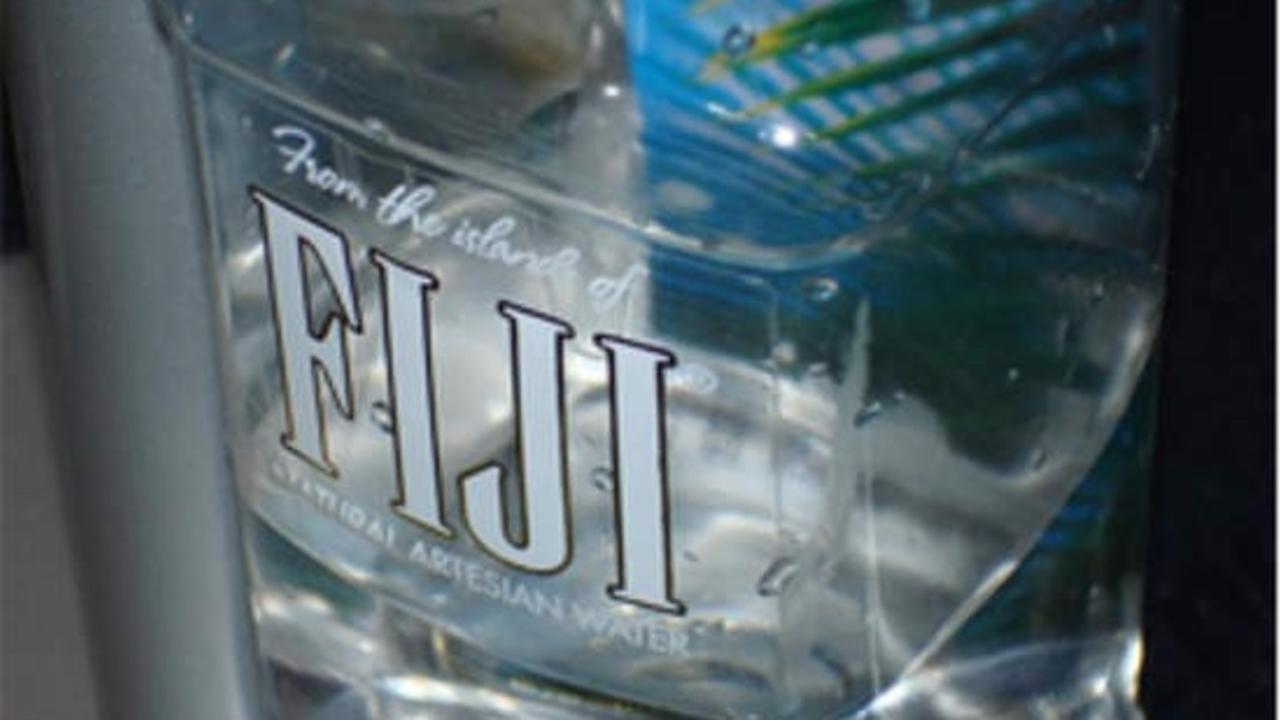
For people who regularly drink tea or coffee and are concerned about possible aluminum accumulation, the guide suggests considering a pint of silica water daily. It also mentions Fiji water as a naturally silica-rich option.
This guidance is relevant for people following ReCODE or the Bredesen Protocol.
This differs from the research dose of up to one liter daily. Neither amount has been established as an effective dose for reducing dementia risk.
If you follow ReCODE, discuss whether silica-rich water fits your individualized plan with your practitioner.
Read the Mineral Analysis
If you want to explore silica-rich water, start with the label or the manufacturer’s published mineral analysis.
Look for:
-
Silica content. It is usually listed in milligrams per liter, or mg/L.
-
The reporting term. Silica and elemental silicon are different measurements. Compare like with like.
-
Serving size. A concentration per liter does not mean every bottle contains that amount.
-
Other minerals. Sodium and other mineral concentrations may matter if you have dietary restrictions.
-
Cost and packaging. Choose something that fits your preferences and budget.
For example, FIJI Water lists a typical silica concentration of 93 mg/L in its published mineral analysis.
That gives you a concrete number to compare with other waters. It is not a clinically established target for brain health, and Fiji is not required for a brain-health routine.
Keep the Bigger Plan in View
Silica-rich mineral water can be a hydration choice. Its potential role in aluminum elimination is an interesting additional consideration.
Your dementia risk-reduction plan still needs attention to the factors you can meaningfully address, including blood sugar, blood pressure, physical and cognitive activity, smoking, hearing and vision care, and social connection.
If you have kidney disease or a prescribed fluid restriction, check with your clinician before changing your water or mineral intake. Extra water should fit within your recommended daily amount.
And leave homemade silica mixtures and “detox” supplements out of this experiment. The mineral-water findings don't necessarily apply to other products.
One Simple Action
Check the mineral analysis of one water you already drink or are considering.
Find its silica concentration, note how it is reported, and compare the cost with your usual water.
If you follow ReCODE, bring that information to your next conversation with your practitioner.
A little label reading can help you make a more informed decision.
No mountain expedition required.
References
-
Rondeau V, Jacqmin-Gadda H, Commenges D, Helmer C, Dartigues JF. Aluminum and silica in drinking water and the risk of Alzheimer’s disease or cognitive decline: Findings from 15-year follow-up of the PAQUID cohort. American Journal of Epidemiology. 2009;169(4):489–496.
-
Van Dyke N, Yenugadhati N, Birkett NJ, et al. Association between aluminum in drinking water and incident Alzheimer’s disease in the Canadian Study of Health and Aging cohort. Neurotoxicology. 2021;83:157–165.
-
Davenward S, Bentham P, Wright J, et al. Silicon-rich mineral water as a non-invasive test of the “aluminum hypothesis” in Alzheimer’s disease. Journal of Alzheimer’s Disease. 2013;33(2):423–430.
This article is for educational and informational purposes. It does not replace individualized medical evaluation, diagnosis, or treatment. See the complete Disclaimer.
Join the Community
Join the Bloom Again Health community for clear, evidence-informed guidance about cognitive health, meaningful action, and sustainable behavior change. No hype, no fear, and no false promises.
By subscribing, you agree to receive emails from Bloom Again Health. You may unsubscribe at any time.
Author

Allison Blankenship, DHSc
Brain Health Behaviorist
Translating brain health evidence and professional recommendations into realistic, sustainable action for adults and families.