
Your Gums Deserve a Place in Your Brain Health Routine
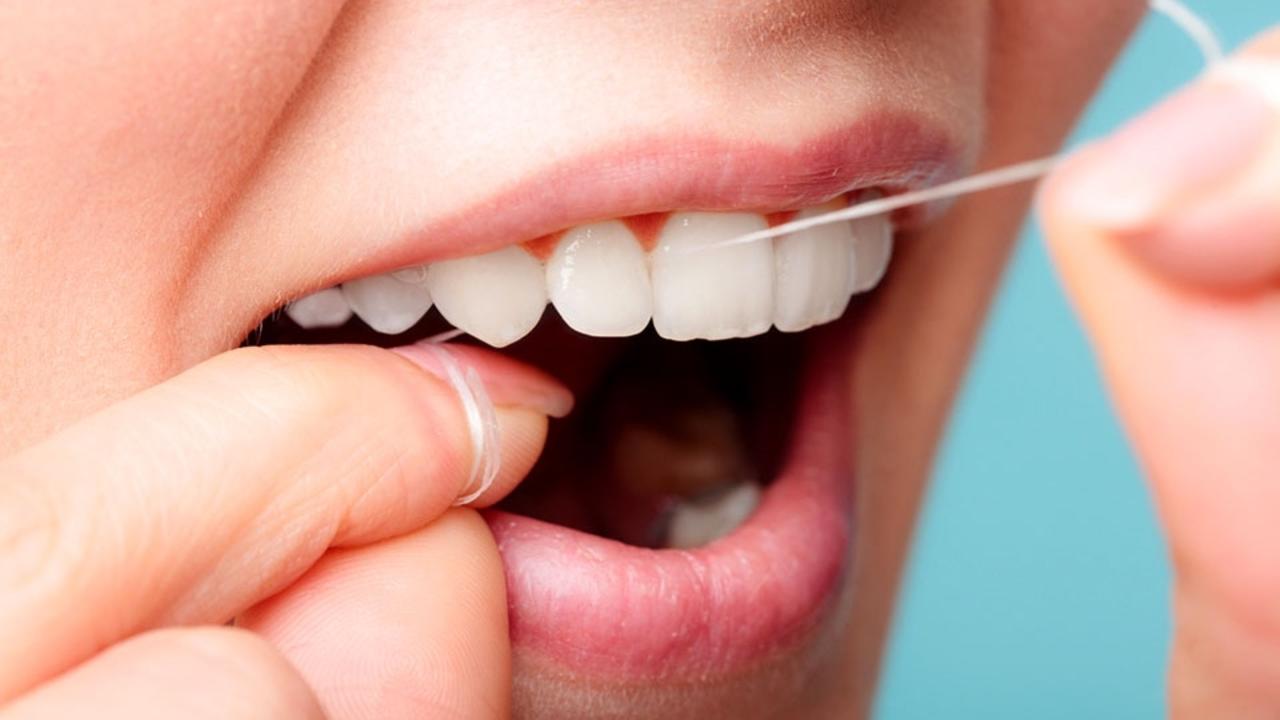
Gum disease and tooth loss have been linked with cognitive decline and dementia. Daily flossing and timely dental treatment give you practical ways to address a source of chronic inflammation.
Floss has a public-relations problem.
It sits beside the toothbrush, waiting patiently while we decide that brushing was probably enough.
Then a dental appointment appears on the calendar, and suddenly we become enthusiastic flossers.
The hygienist is rarely fooled.
But there’s a reason to care about your gums year-round. Research linking oral health to cognitive health makes that little space between your teeth worth a place in your brain health routine.
Your Mouth Is Part of the Picture
Plaque is a sticky film containing bacteria that collects on teeth. When it builds up around the gumline, it can cause inflammation.
Early gum inflammation is called gingivitis. More advanced gum disease, called periodontitis, can damage the tissues and bone supporting your teeth.
That is a problem worth addressing in its own right. Researchers are also investigating how chronic gum inflammation and oral bacteria may affect health beyond the mouth, including the brain.
Your gums don't operate as a separate department.
What the Brain Health Research Shows
A 2026 systematic review published in the Journal of Periodontal Research examined 59 studies.
The researchers found that periodontitis and tooth loss were associated with a modestly higher risk of dementia or Mild Cognitive Impairment, along with poorer cognitive functioning.
These findings support including oral health in a broader dementia risk-reduction routine.
They do not prove that flossing prevents dementia. Shared health risks and the difficulty of maintaining oral care as cognition declines may explain some of the association.
Still, you can identify and address gum disease. There is little reason to let a treatable dental problem simmer while you wait for researchers to settle every detail.
Gum Bacteria Have Been Found in Alzheimer’s Brains
Researchers have found more than a statistical connection.
A 2019 study published in Science Advances detected DNA from Porphyromonas gingivalis, a bacterium involved in gum disease, in brain tissue from people who had died with Alzheimer’s.
They also detected enzymes the bacterium produces, called gingipains. Higher levels of these enzymes were associated with more Alzheimer’s-related brain changes.
Laboratory and animal experiments suggest ways this bacterium and its enzymes could damage nerve cells and contribute to inflammation.
The findings do not establish that gum disease causes Alzheimer’s, but they give researchers a biological reason to investigate the connection.
And they give the rest of us another reason to stop treating bleeding gums as a minor inconvenience.
Apollo Health Connects Oral Care With Cognition
In Oral Hygiene and Cognition, Apollo Health’s principal research scientist, Ram Rao, discusses the relationship between oral health, inflammation, and cognitive health.
The article emphasizes routine dental care and the need to help people maintain oral hygiene as cognitive difficulties progress.
This is relevant for people following ReCODE or the Bredesen Protocol. It is also useful for anyone building consistent brain health habits.
If you follow ReCODE, include your dental health in conversations with your practitioner. Your dentist remains the person to assess and treat gum disease.
Give Your Toothbrush Some Backup
The American Dental Association recommends brushing twice daily for two minutes and cleaning between your teeth once a day.
A toothbrush cannot fully clean those spaces. Floss, interdental brushes, and water flossers offer different ways to reach them.
Choose a method that fits your teeth, dental work, and comfort level. Your dentist or hygienist can help you select the right tool and show you how to use it.
For string floss, use gentle motions and curve it around each tooth. Avoid snapping it into your gums.
You are cleaning a delicate area. It doesn't require upper-body strength.
And choose a dependable time. If bedtime flossing keeps losing to exhaustion, try another time of day.
Bleeding Gums Need Attention
If your gums bleed regularly, look red or swollen, or feel tender, arrange a dental evaluation. Persistent bad breath, receding gums, or loose teeth also deserve attention.
The National Institute of Dental and Craniofacial Research lists these as signs of gum disease.
Daily cleaning is important, but established disease may require professional treatment. Hardened plaque, called tartar, won't come off with more determined flossing.
Ask your dentist how often you need examinations and cleanings. Your schedule should reflect your oral health, not the assumption that everyone needs the same plan.
A Brief Word About Choosing Floss
Some floss products have raised questions about PFAS, a group of persistent chemicals used in certain materials and coatings.
A 2019 study involving 178 women associated reported use of Oral-B Glide floss with higher blood levels of one PFAS chemical. Researchers also detected fluorine in several tested floss products, consistent with concern about PTFE-based materials.
The findings concern the products and exposures studied at that time. They do not establish the composition of every product sold today or show that those flosses caused dementia.
If you want to avoid PFAS-based materials, consider untreated silk floss or waxed nylon floss whose manufacturer confirms it is made without PFAS or PTFE. Check both the floss material and its coating. “Natural” or “waxed” alone does not tell you everything.
Choose an option that works comfortably for your teeth, and keep cleaning between them.
Make the Routine Easier to Keep
Put your cleaning supplies where you will see them. Pair the habit with something you already do every day.
If arthritis, limited dexterity, or memory difficulties make oral care harder, ask your dental team about adaptations. A floss holder, an appropriate interdental brush, or a water flosser may help.
For someone with cognitive difficulties, a reminder, demonstration, or hands-on assistance can make the difference between having supplies and actually using them.
A useful brain health habit needs to work on an ordinary Tuesday.
One Simple Action
Choose a daily time to clean between your teeth, and place the supplies beside your toothbrush today.
If your gums regularly bleed or your dental care is overdue, make the appointment.
Your next dental visit should confirm a routine, rather than inspire a last-minute flossing frenzy.
References
-
Demmer RT, Watson D, Goh CE, et al. Periodontitis, tooth loss, and risk of cognitive impairment and dementia: A systematic review with meta-analysis. Journal of Periodontal Research. Published online September 16, 2026. doi:10.1111/jre.70177.
-
Dominy SS, Lynch C, Ermini F, et al. Porphyromonas gingivalis in Alzheimer’s disease brains: Evidence for disease causation and treatment with small-molecule inhibitors. Science Advances. 2019;5(1).
-
Boronow KE, Brody JG, Schaider LA, Peaslee GF, Havas L, Cohn BA. Serum concentrations of PFASs and exposure-related behaviors in African American and non-Hispanic white women. Journal of Exposure Science & Environmental Epidemiology. 2019;29(2):206–217.
This article is for educational and informational purposes. It does not replace individualized medical evaluation, diagnosis, or treatment. See the complete Disclaimer.
Join the Community
Join the Bloom Again Health community for clear, evidence-informed guidance about cognitive health, meaningful action, and sustainable behavior change. No hype, no fear, and no false promises.
By subscribing, you agree to receive emails from Bloom Again Health. You may unsubscribe at any time.
Author

Allison Blankenship, DHSc
Brain Health Behaviorist
Translating brain health evidence and professional recommendations into realistic, sustainable action for adults and families.