
Grandchild Time May Be Good for Your Brain
Time with grandchildren can bring connection, mental engagement, and a surprising amount of movement. Research suggests your brain may benefit, too.
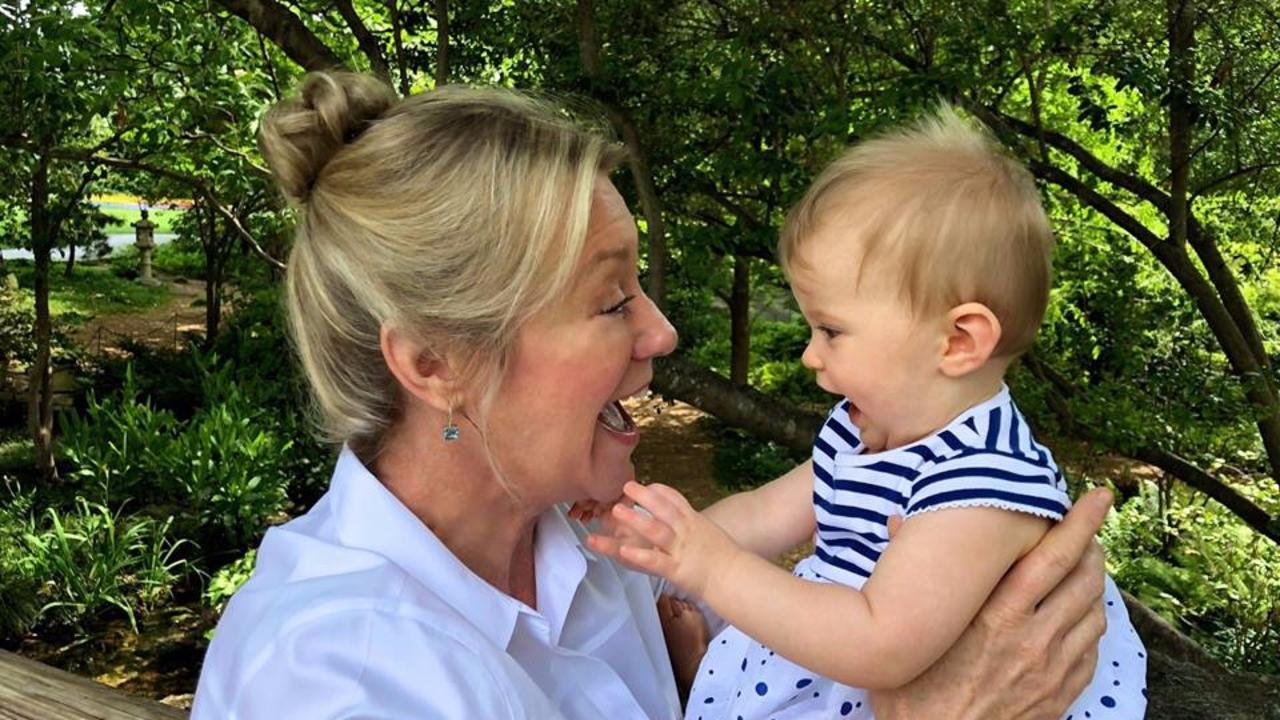
Yes, that’s me with my granddaughter when she was only eight months old.
She’s adorable, and I love spending time with her. She also had very little interest in whether Grandma had an additional reason to play with her.
Research has encouraging news for grandparents, especially about brain health.
Time with grandchildren can turn an ordinary afternoon into conversation, learning, movement, and meaningful connection.
And sometimes applesauce into your hair.
Your Brain Loves Company
Social isolation is one of the potentially modifiable dementia risk factors identified by the 2024 Lancet Commission.
Building regular, meaningful contact with other people is one way to address that risk. For grandparents, time with grandchildren can be a particularly enjoyable place to start.
Reading aloud. Taking turns in a game. Listening to a detailed explanation of why one dinosaur could defeat another.
You’re paying attention, responding, remembering, and participating.
These are useful ingredients in a dementia risk-reduction strategy. A grandchild provides a very enthusiastic reason to make room for them.
What Research Found
A 2026 study published in Psychology and Aging examined grandchild caregiving and cognitive functioning using data from the English Longitudinal Study of Ageing.
Grandmothers and grandfathers who provided care performed better on tests of memory and verbal fluency than comparable grandparents who did not. Caregiving grandmothers also showed slower cognitive decline over time.
A separate U.S. study published in 2024, following more than 11,000 adults age 50 and older, also found that providing grandchild care was associated with better cognitive functioning. The positive associations were stronger among some groups who may have fewer opportunities for connection, including unpartnered and nonworking adults.
These studies show associations, not proof, that babysitting improves brain health. Healthier, cognitively stronger grandparents may also be more able to provide care.
Still, the findings give us good reason to value enjoyable involvement with the next generation.
Make the Time Together Interesting
You don’t need an elaborate outing or a room full of educational toys.
Choose something you can enjoy together:
-
Read a book. Ask what they think will happen next. Prepare for an answer the author never considered.
-
Play a game. Cards, matching games, puzzles, and board games create opportunities to pay attention and solve problems.
-
Take a walk. Look for birds, interesting leaves, or the neighborhood dog who apparently needs a formal greeting.
-
Share a skill. Gardening, drawing, simple repairs, or making a meal can give you both something to learn.
-
Ask them to teach you. A new game or phone feature may require patience from both of you. Yours will probably be tested first.
These activities offer practical ways to combine social connection, mental engagement, and movement. The studies do not establish that any particular game or activity delivers a specific cognitive benefit.
Choose what holds your interest. Enjoyment makes the next visit easier to put on the calendar.
Grandparenting Needs Boundaries, Too
Loving your grandchildren does not automatically make you available every weekday at 6 a.m.
There is a difference between time together that enriches your life and a schedule that leaves you exhausted.
Choose arrangements that fit your energy, health, and other responsibilities. Be clear about when you can help and how much you can comfortably manage.
Keep your own appointments. Protect your sleep. Leave room for exercise, friendships, and the other habits that support your brain health.
If you are raising grandchildren or providing substantial ongoing care, you may need dependable help yourself. Your health belongs in the family’s care plan.
A loving “yes” can have a start time and an end time.
Connection Can Travel
If your grandchildren live far away, find a routine that keeps you involved.
Read a story over a video call. Play a simple guessing game. Ask about a project, then remember to ask how it turned out. Share family stories they haven’t heard seventeen times already.
Well, perhaps sixteen.
You also don’t need grandchildren to build relationships across generations. Reading with a younger relative, mentoring, or volunteering with a youth program can create opportunities for conversation and shared learning.
The practical goal is regular, meaningful engagement that fits your life.
One Simple Action
Arrange one activity with a grandchild or another younger person this week.
Pick something you can both enjoy, and give it a manageable place on your calendar.
Your hands may be full. Your conversation certainly won’t be dull.
And if you learn the names of six new dinosaurs, consider that a bonus.
References
-
Livingston G, Huntley J, Liu KY, et al. Dementia prevention, intervention, and care: 2024 report of the Lancet Standing Commission. The Lancet. 2024;404(10452):572–628.
-
Chereches FS, Olaru G, Ballhausen N, Brehmer Y. Grandparents’ cognition and caregiving for grandchildren: Frequency, type, and variety of activities. Psychology and Aging. 2026;41(4):429–443.
-
Caputo J, Cagney KA, Waite L. Keeping us young? Grandchild caregiving and older adults’ cognitive functioning. Journal of Marriage and Family. 2024;86(3):633–654.
This article is for educational and informational purposes. It does not replace individualized medical evaluation, diagnosis, or treatment. See the complete Disclaimer.
Join the Community
Join the Bloom Again Health community for clear, evidence-informed guidance about cognitive health, meaningful action, and sustainable behavior change. No hype, no fear, and no false promises.
By subscribing, you agree to receive emails from Bloom Again Health. You may unsubscribe at any time.
Author

Allison Blankenship, DHSc
Brain Health Behaviorist
Translating brain health evidence and professional recommendations into realistic, sustainable action for adults and families.