
Green Tea and Brain Health: What the Research Suggests
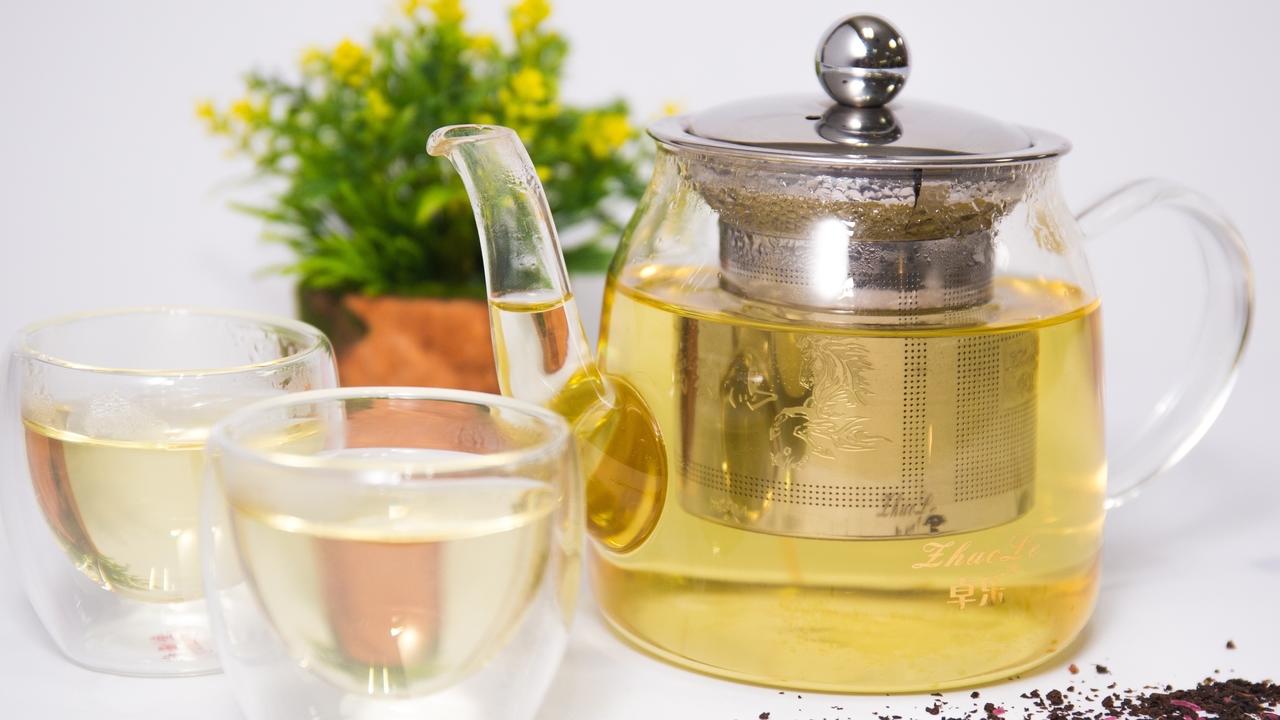
Green tea is not a magic potion, but its natural plant compounds may support brain health. That is a perfectly good reason to put the kettle on.
Could your daily cup of tea be doing something helpful for your brain?
Possibly.
Green tea contains polyphenols, including a catechin called EGCG. These plant compounds have antioxidant activity and may help the body manage oxidative stress, one of the processes involved in aging and cognitive decline.
Human research also associates drinking green tea with better cognitive health. That does not make it a dementia-prevention potion, but it may make green tea a smart addition to an overall brain-healthy eating pattern.
Green Tea and Cognitive Health
A recent systematic review and meta-analysis examined 18 observational studies involving nearly 59,000 people.
Green tea consumption was associated with a lower likelihood of cognitive impairment, including associations with lower rates of dementia and Mild Cognitive Impairment.
Because these were observational studies, they cannot prove that green tea caused the difference. People who regularly drink green tea may have other habits that influence their cognitive health.
Still, the findings are encouraging and support including green tea as one small part of a broader dementia risk-reduction strategy.
What Do Antioxidants Have to Do With It?
Everyday metabolism produces unstable molecules that can contribute to oxidative stress. When the body cannot adequately manage that stress, cells and tissues can be damaged.
The brain is particularly vulnerable because it uses considerable energy and oxygen.
Green tea’s polyphenols, especially EGCG, may help support the body’s antioxidant defenses. A systematic review and meta-analysis of randomized trials found that green tea supplementation improved some measures of antioxidant status and oxidative stress in adults.
That does not prove that the antioxidants in green tea prevent dementia. It does provide human evidence that green tea compounds can influence processes relevant to healthy aging.
In other words, there is promising science in the cup, but no need to start referring to your teapot as medical equipment.
What About Matcha?
Matcha is powdered green tea, which means you consume the whole tea leaf rather than simply steeping it and removing it.
That makes matcha a concentrated source of green tea’s natural compounds, including catechins, EGCG, L-theanine, and caffeine.
In a 2024 randomized controlled trial, adults with subjective cognitive decline or Mild Cognitive Impairment consumed two grams of matcha or a placebo daily for 12 months. Matcha improved one measure of social cognition, but it did not significantly improve the study’s primary measures of overall cognition or daily function.
The research is interesting, but matcha has not been shown to prevent dementia or outperform traditionally brewed green tea.
If you enjoy it, matcha is another way to include green tea in your routine. Just watch what joins it in the cup. A matcha drink containing more syrup than tea is probably dessert wearing a wellness costume.
Brew It, Don’t Sugarcoat It
Choose brewed green tea rather than bottled tea loaded with added sugar.
Try it:
-
Hot or iced
-
Plain or with a squeeze of lemon
-
With fresh mint, ginger, or cinnamon
-
Earlier in the day if caffeine interferes with your sleep
Green tea naturally contains caffeine, although usually less than coffee. Decaffeinated green tea is an option if you are sensitive to caffeine.
There is no research-established number of cups that guarantees cognitive benefit. Choose an amount that fits your health, sleep, preferences, and tolerance.
One Simple Action
Brew one cup of unsweetened green tea today.
Enjoy it hot or pour it over ice. Think of it as one practical addition to your brain-healthy routine, not a miracle in a mug.
References
-
Zhou S, Zhu Y, Ren N, Wu M, Liu Y. The Association Between Green Tea Consumption and Cognitive Function: A Meta-Analysis of Current Evidence. Neuroepidemiology. 2026;60(1):178–199.
-
Dehzad MJ, et al. Effects of Green Tea Supplementation on Antioxidant Status and Inflammatory Markers in Adults: A Grade-Assessed Systematic Review and Dose-Response Meta-Analysis of Randomised Controlled Trials. Journal of Nutritional Science. 2025.
- Uchida K, Meno K, Korenaga T, et al. Effect of Matcha Green Tea on Cognitive Functions and Sleep Quality in Older Adults With Cognitive Decline: A Randomized Controlled Study Over 12 Months. PLOS ONE. 2024;19(8):e0309287.
This article is for educational and informational purposes. It does not replace individualized medical evaluation, diagnosis, or treatment. See the complete Disclaimer.
Join the Community
Join the Bloom Again Health community for clear, evidence-informed guidance about cognitive health, meaningful action, and sustainable behavior change. No hype, no fear, and no false promises.
By subscribing, you agree to receive emails from Bloom Again Health. You may unsubscribe at any time.
Author

Allison Blankenship, DHSc
Brain Health Behaviorist
Translating brain health evidence and professional recommendations into realistic, sustainable action for adults and families.