
How to Make Grilling More Brain-Healthy
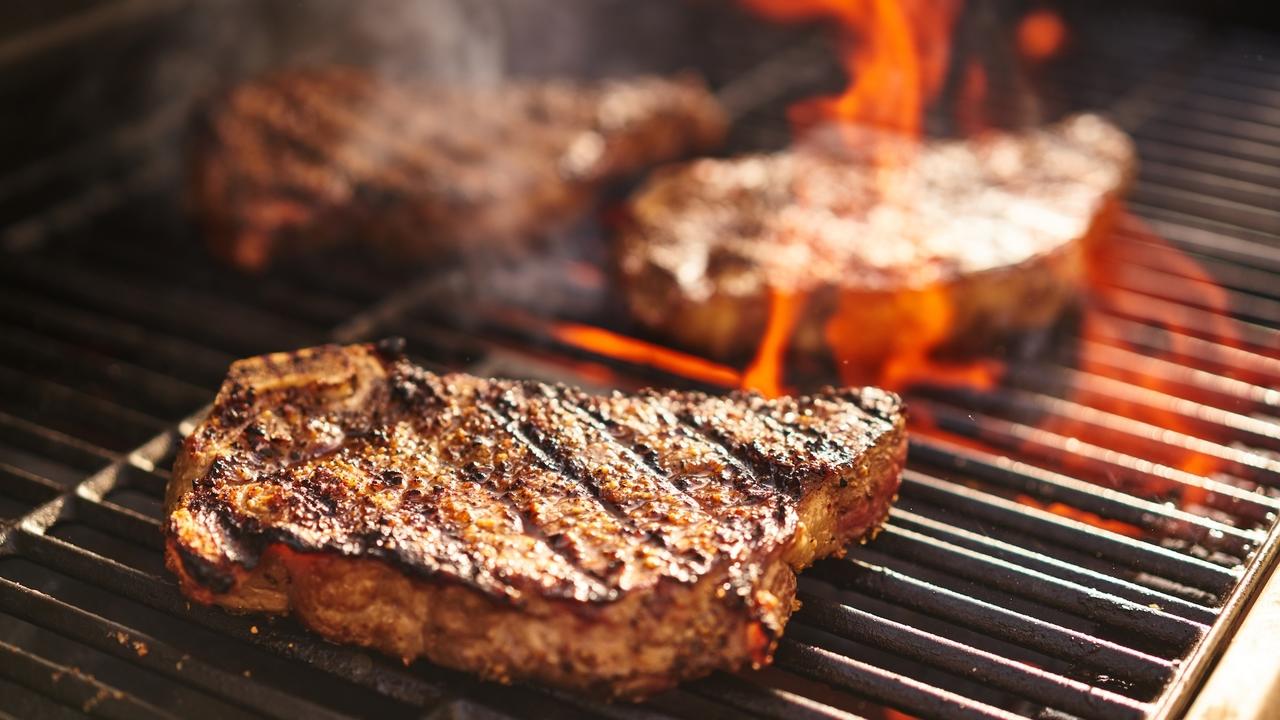
High-temperature cooking can create compounds associated with cognitive decline and dementia risk. Fortunately, you do not have to surrender your grill.
Nothing beats food hot off the grill, especially those savory, crispy bits around the edges.
Unfortunately, grilling can also create something less appetizing: advanced glycation end products, appropriately known as AGEs.
Why AGEs Matter for Brain Health
AGEs form when proteins or fats combine with sugars. Your body produces some naturally, but they can also form in food during high-temperature cooking.
High-protein, high-fat animal foods tend to develop the most AGEs when grilled, broiled, roasted, seared, or fried. Lower-temperature cooking methods that use water, such as steaming, poaching, stewing, and braising, generally produce fewer.
Why should your brain care?
In a study of nearly 700 older adults, higher dietary AGE intake was associated with faster cognitive decline. A separate large observational study found that people with higher dietary AGE intake had a greater risk of developing dementia.
These studies do not prove that grilled food causes dementia. They do suggest that reducing dietary AGEs may be one reasonable part of a brain-healthy eating pattern.
The goal is not to banish the barbecue. It is to modify how often and how intensely we cook foods with high, dry heat.
Five Ways to Make Grilling More Brain-Healthy
1. Marinate before grilling
Acidic ingredients such as lemon juice and vinegar can reduce AGE formation during cooking.
Add avocado oil, herbs, garlic, mustard, thyme, rosemary, or your favorite seasonings. Your marinade does not need a chemistry degree. It just needs a little acid and enough flavor to keep everyone interested.
2. Brown it without burning it
Aim for safely cooked and lightly browned, not blackened.
If part of the food burns, trim off the charred section. Your steak shouldn't look like it survived a house fire.
3. Turn down the heat
AGE formation increases with higher temperatures and longer cooking times. Use moderate heat when practical, avoid flare-ups, and remove food when it reaches a safe internal temperature.
4. Give the grill an occasional night off
Mix in cooking methods that use moisture, including:
-
Steaming
-
Poaching
-
Braising
-
Stewing
-
Slow cooking
-
Pressure cooking
You do not have to choose one cooking method forever. Variety works perfectly well here.
5. Make room for plants
Vegetables and other carbohydrate-rich plant foods generally contain fewer AGEs than animal foods high in protein and fat, even after cooking.
Fill more of the plate with salads, fresh vegetables, or other minimally processed plant foods. That leaves less room for an enormous portion of heavily charred meat without making dinner feel like a punishment.
Keep the Barbecue
Brain-healthy eating does not require a lifetime of steamed dinners or politely declining every invitation involving a grill.
Small changes in cooking temperature, moisture, marinating, charring, and portion size can reduce dietary AGE exposure while allowing you to keep foods you enjoy.
For your next barbecue, choose one simple change: marinate your protein in a mixture that contains lemon juice or vinegar before it goes on the grill to reduce AGE formation during cooking.
And yes, I still expect an invitation. Medium rare for me.
References
-
Beeri MS, Lotan R, Uribarri J, Leurgans S, Bennett DA, Buchman AS. Higher Dietary Intake of Advanced Glycation End Products Is Associated with Faster Cognitive Decline in Community-Dwelling Older Adults. Nutrients. 2022;14(7):1468.
-
Zhang Y, Jiang F, Liu D, et al. Higher Dietary Advanced Glycation Products Intake Is Associated with Increased Risk of Dementia, Independent from Genetic Predisposition. Clinical Nutrition. 2023;42(9):1788–1797.
-
Uribarri J, Woodruff S, Goodman S, et al. Advanced Glycation End Products in Foods and a Practical Guide to Their Reduction in the Diet. Journal of the American Dietetic Association. 2010;110(6):911–916.e12.
This article is for educational and informational purposes. It does not replace individualized medical evaluation, diagnosis, or treatment. See the complete Disclaimer.
Join the Community
Join the Bloom Again Health community for clear, evidence-informed guidance about cognitive health, meaningful action, and sustainable behavior change. No hype, no fear, and no false promises.
By subscribing, you agree to receive emails from Bloom Again Health. You may unsubscribe at any time.
Author

Allison Blankenship, DHSc
Brain Health Behaviorist
Translating brain-health evidence and professional recommendations into realistic, sustainable action for adults and families.