
Your Pet Has Plans for Your Brain Health
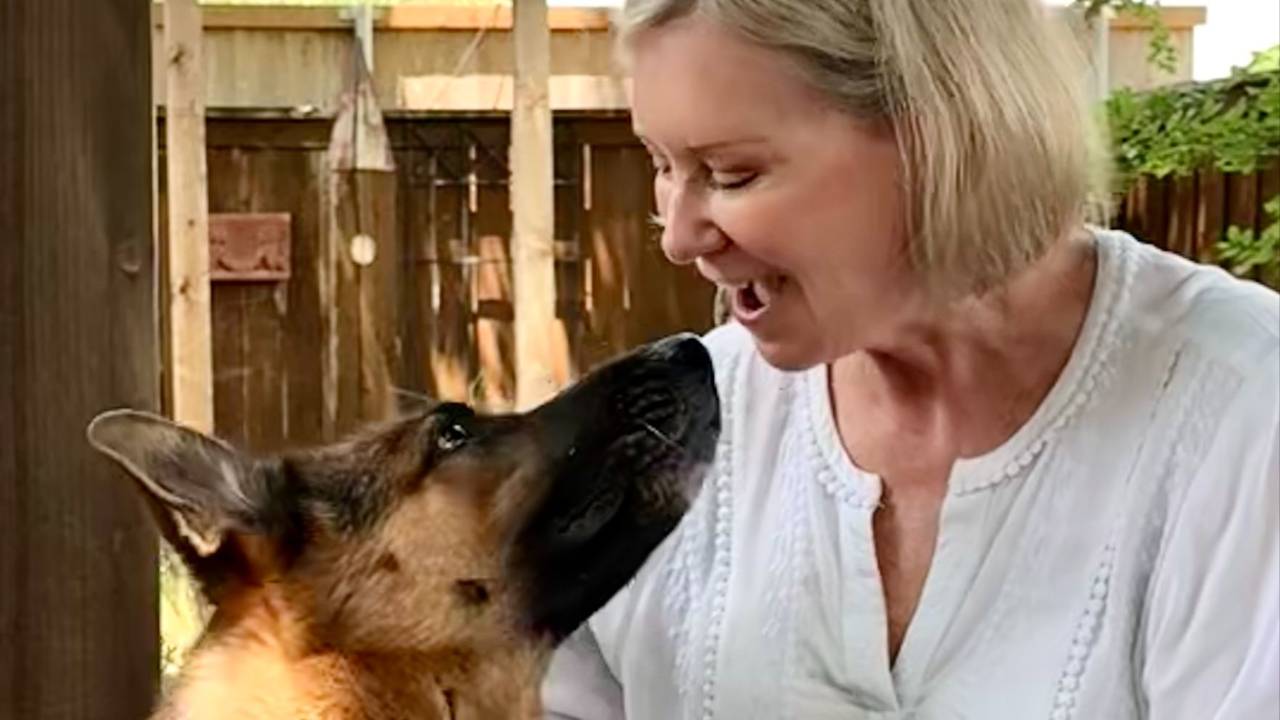
Pets can bring companionship, routine, and more movement into your day. Research also links pet ownership with some cognitive benefits, especially for adults living alone. Here’s how to make those everyday moments count.
You may be considering another hour on the couch.
Your dog has reviewed that proposal and declined.
There is a leash by the door. An expectant face. Possibly a paw on your knee, in case you missed the first three reminders.
For those of us who love animals, a pet can be a wonderful companion. And sometimes, a very persistent accountability partner.
My buddy Hunter certainly earned a place in my article on this subject.
But the brain health story deserves more than “pets make us feel good.”
Physical inactivity and social isolation are among the potentially modifiable dementia risk factors identified by the 2024 Lancet Commission. A pet can give you opportunities to move more and connect with others, turning those priorities into something you actually do.
The Walk Your Dog Refuses to Cancel
While you might not make it to the gym, that unrelenting mutt WILL make you get up off the couch.
In a study of 547 adults aged 65 and older, researchers measured physical activity using wearable monitors. Dog owners were approximately 12% more active than people who did not own dogs, even after accounting for several other factors.
That is the useful finding behind the old adage “dog owners act ten years younger."
Dogs haven’t discovered how to subtract birthdays. They have discovered how to get us outside.
If you already walk your dog, use that routine deliberately. Choose a manageable route, wear comfortable shoes, and give yourself time to walk as well as supervise the sniffing.
A few minutes of purposeful walking can be part of your day’s activity, even if your companion needs to inspect every mailbox along the way.
What the Cognitive Research Found
A 2023 study in JAMA Network Open followed 7,945 adults aged 50 and older. Among participants living alone, pet ownership was associated with slower decline in verbal memory and verbal fluency.
Verbal memory includes remembering words. Verbal fluency involves how readily you can produce them.
The same association wasn’t found among participants living with other people.
These findings are encouraging, particularly for people living alone. Both this study and the activity study were observational, so they don’t establish that getting a pet causes better cognitive health.
The practical value is in the everyday opportunities an animal can bring: a reason to get up, a routine to follow, and company in a quiet home.
Let the Leash Lead to a Conversation
A dog walk can also become a human encounter.
Dogs are remarkably good at introductions. They have very little concern about whether anyone has prepared an opening line.
You can take it from there.
Learn the name of another walker. Ask about their dog. Arrange to walk together again. If a local walking group welcomes dogs, consider joining.
The goal is to build regular contact with people, too.
A pet can be part of your social world. Make room for the humans.
Yes, Cat Lovers, You Belong Here
Your cat may have little interest in joining a walking group.
Or in your plans generally.
That doesn’t mean your time together has no value. Feeding, grooming, play, and companionship can give structure and enjoyment to the day.
The 2023 study examined pet ownership overall. It didn’t establish which species was responsible for the association.
So enjoy your cat, your dog, or another animal whose needs you can meet. Give your own movement and human connections attention alongside that relationship.
Retrieving toys from under the couch remains an unofficial cat-owner activity.
A Good Match Matters More Than a Health Headline
If you’re thinking about getting a pet, consider the life you can offer that animal.
Can you manage the daily care, veterinary costs, exercise needs, and housing requirements? Who could help if you’re ill or traveling? Does the animal’s size and energy suit your mobility and balance?
If memory changes are making care tasks difficult, arrange dependable help with feeding, medications, appointments, and exercise.
A good match should support both of you.
You can also enjoy animals without taking on ownership. Walk with a friend and their dog. Help someone you know with pet care. Ask a local shelter about volunteer roles that fit your abilities.
Those are opportunities for activity and engagement. You don’t need to adopt an animal to give them a try.
One Simple Action
If you have a dog, put one walk on tomorrow’s calendar and invite someone to join you.
If you don’t, ask an animal-loving friend whether you can come along on their next walk.
A little movement. A little conversation. And someone who is delighted to investigate the next patch of grass.
Your dog may be onto something.
References
-
Livingston G, Huntley J, Liu KY, et al. Dementia prevention, intervention, and care: 2024 report of the Lancet standing Commission. The Lancet. 2024;404(10452):572–628.
-
Feng Z, Dibben C, Witham MD, et al. Dog ownership and physical activity in later life: a cross-sectional observational study. Preventive Medicine. 2014;66:101–106.
-
Li Y, Wang W, Zhu L, et al. Pet ownership, living alone, and cognitive decline among adults 50 years and older. JAMA Network Open. 2023;6(12):e2349241.
This article is for educational and informational purposes. It does not replace individualized medical evaluation, diagnosis, or treatment. See the complete Disclaimer.
Join the Community
Join the Bloom Again Health community for clear, evidence-informed guidance about cognitive health, meaningful action, and sustainable behavior change. No hype, no fear, and no false promises.
By subscribing, you agree to receive emails from Bloom Again Health. You may unsubscribe at any time.
Author

Allison Blankenship, DHSc
Brain Health Behaviorist
Translating brain health evidence and professional recommendations into realistic, sustainable action for adults and families.